How UV Curing and Sterilization Actually Work
Think of UV lamps as a way to deliver a precise punch of energy. When you’re printing, that energy hits the photo-initiators in your ink and snaps it from a liquid to a solid polymer in a blink. It’s nearly instant. If you’re using it for sterilization, the goal is different. Here, the UV-C waves target the DNA of germs and microbes, breaking their molecular bonds so they can’t function. Basically, it shuts them down for good.
Getting the Wavelength Right
It all comes down to the wattage and where the light hits the spectrum. We don’t just guess; we tune these lamps to hit very specific nanometer ranges. For curing ink, we lean into UVA and UVB because they can actually soak into the ink layer. But for killing bacteria? You need a much tighter window, right around 254nm. Now, if you crank up the wattage, you get more irradiance. That means your line moves faster. More product, less time. But there’s a catch:heat. If you push the power too hard without a solid cooling manifold, you’re going to scorch your materials or fry the lamp.
The Hardware Side of Things
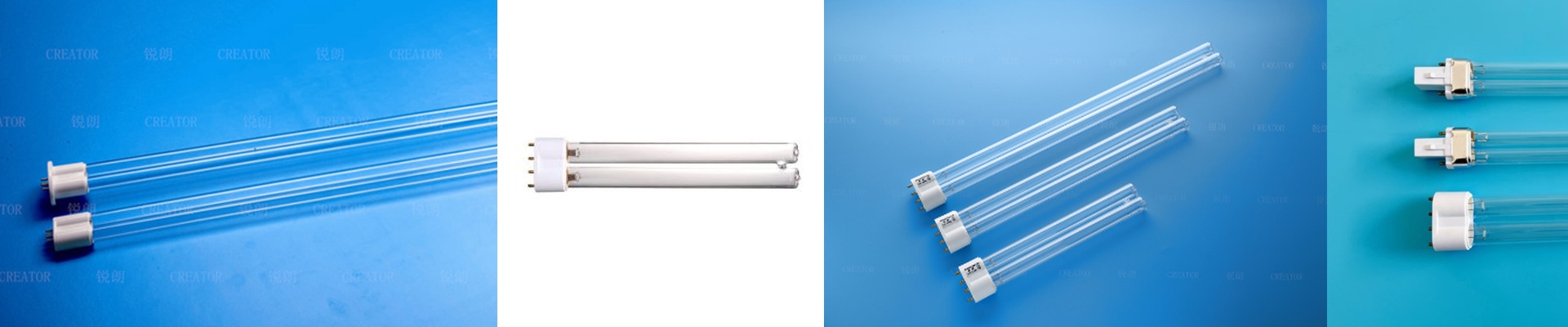
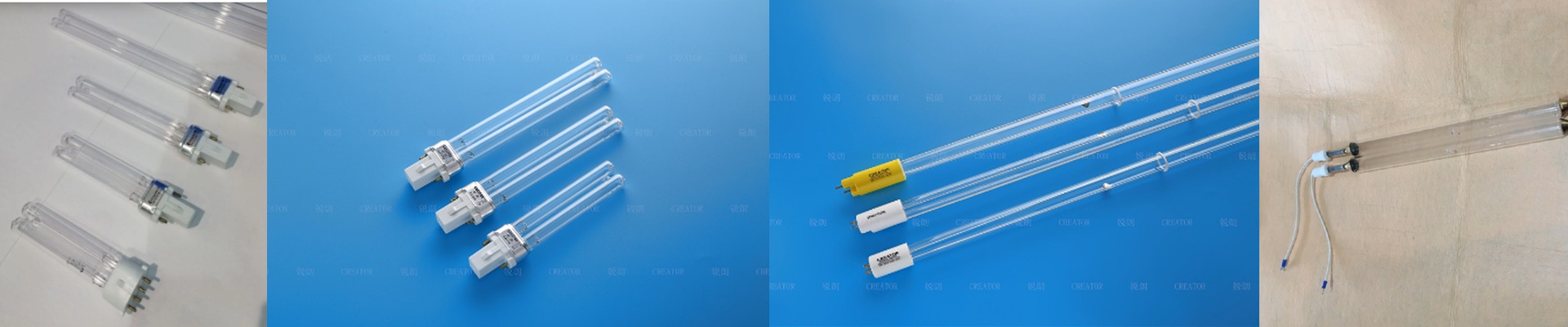
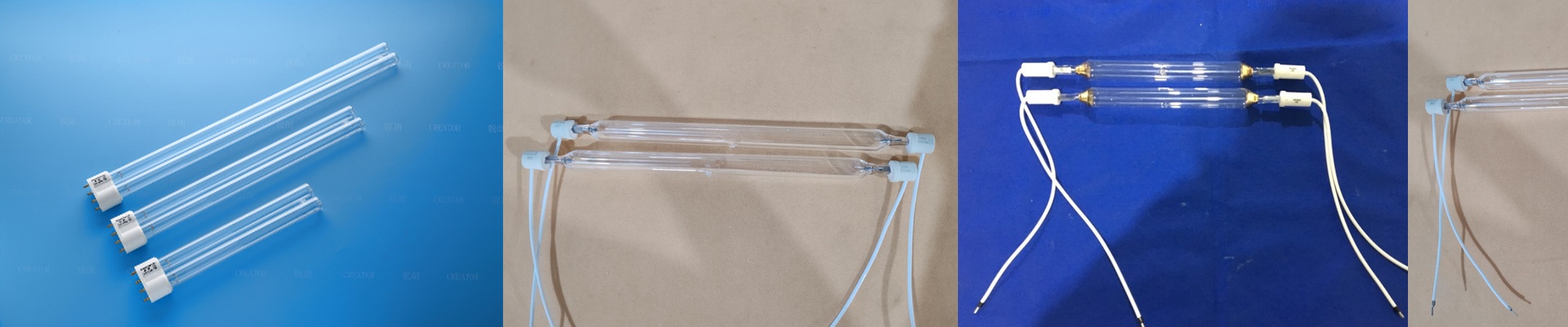
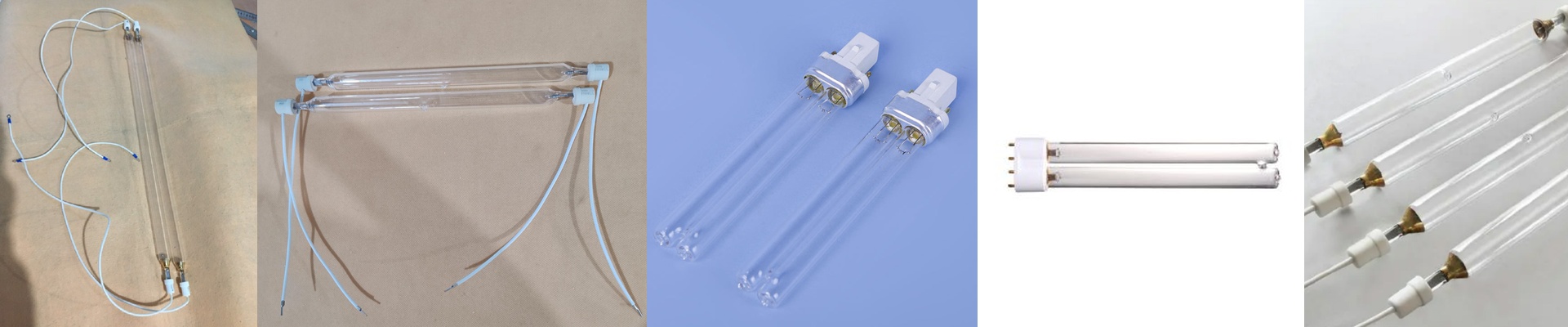
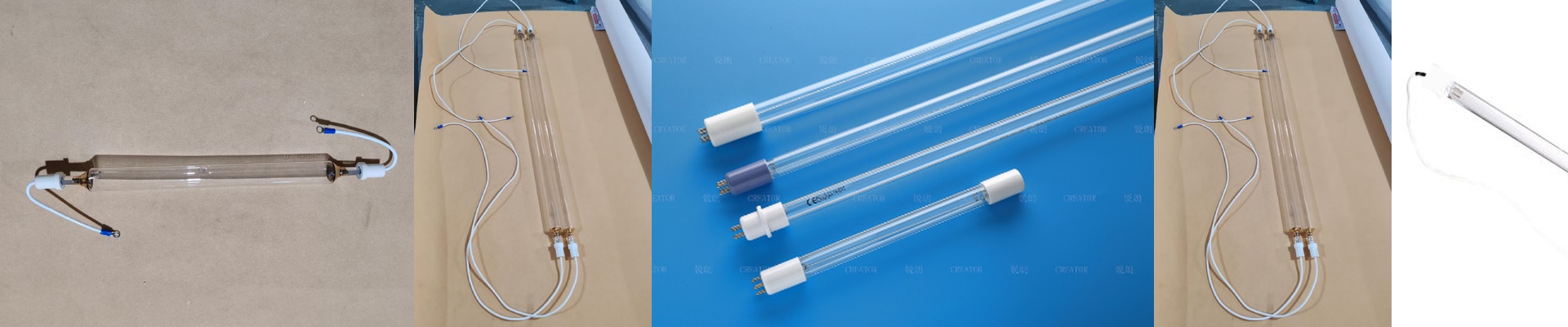
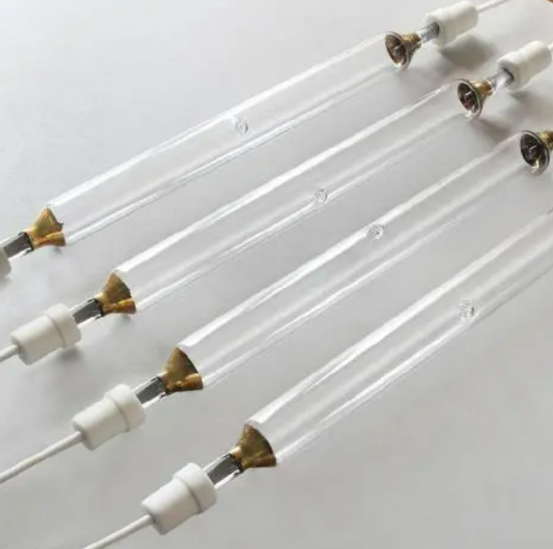
We use high-purity quartz glass for a simple reason: standard glass blocks UV light. Quartz lets it fly right through. We also toughen up the connectors. Industrial floors are messy and harsh, so we build them to stop arcing and keep the electricity stable, even when things are running at high frequencies. The best part? These are drop-in replacements. We make sure the physical size and the electrical specs match your current ballast, so you aren’t rebuilding your whole machine just to upgrade a bulb.
The Reality of the Trade-offs
Here’s the honest truth: high-intensity UV comes with a few headaches, mainly ozone and heat. When you’re running these lamps at full tilt, you can’t just ignore the air. You need a ventilation system that can actually pull the ozone out of the room. And please, keep an eye on your cooling fans. If they quit, the lamp will burn out way faster than it should. We always suggest monitoring the temperature to make sure the tube stays in its happy place.