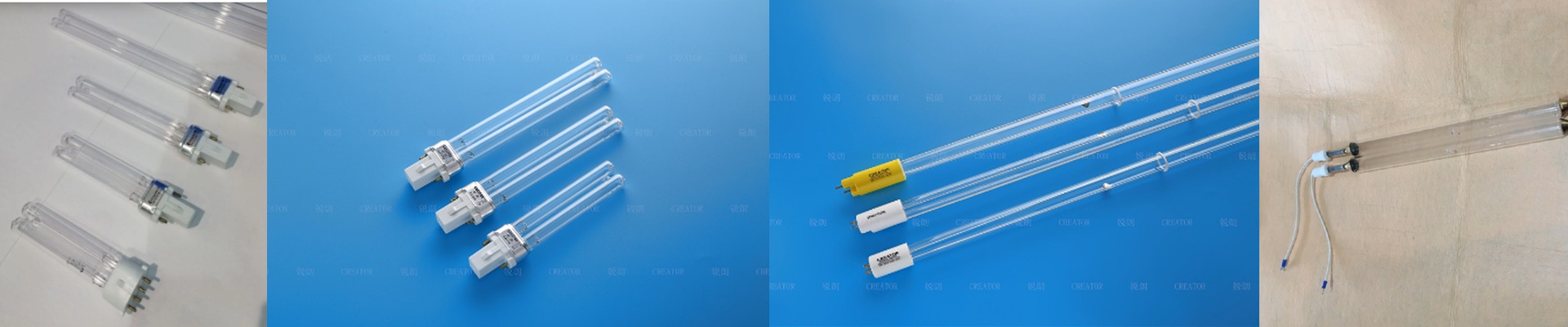
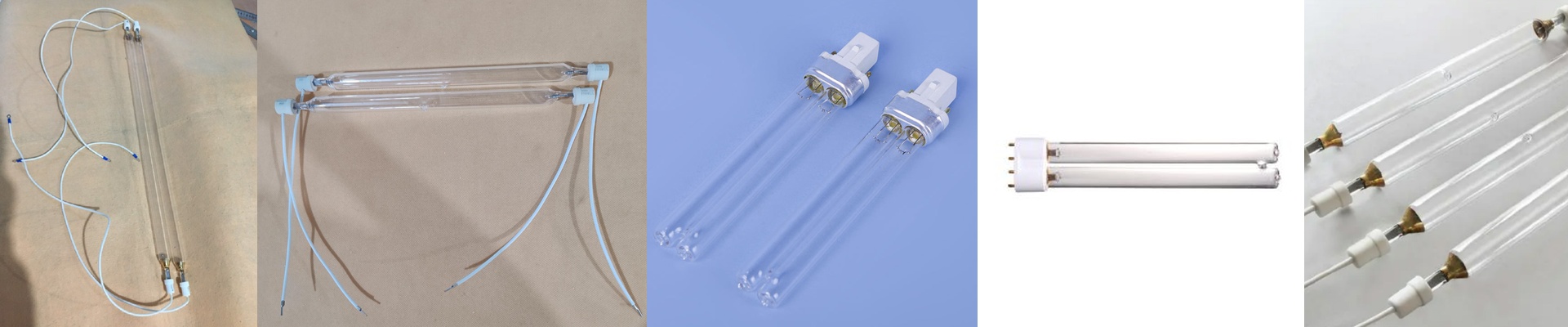
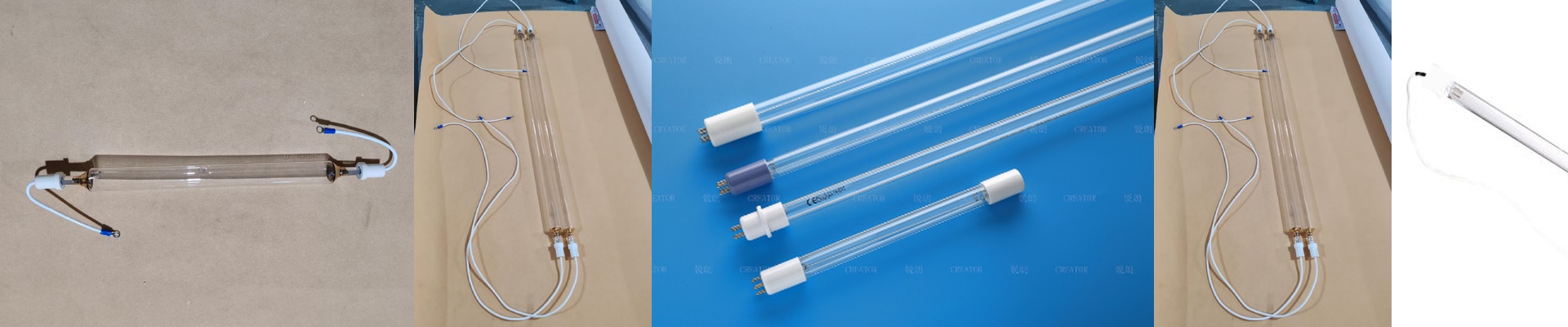
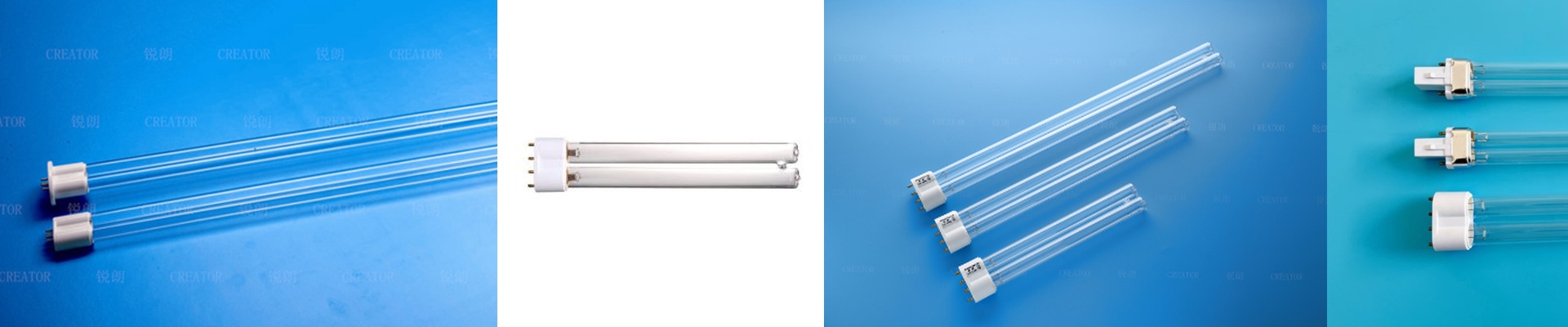
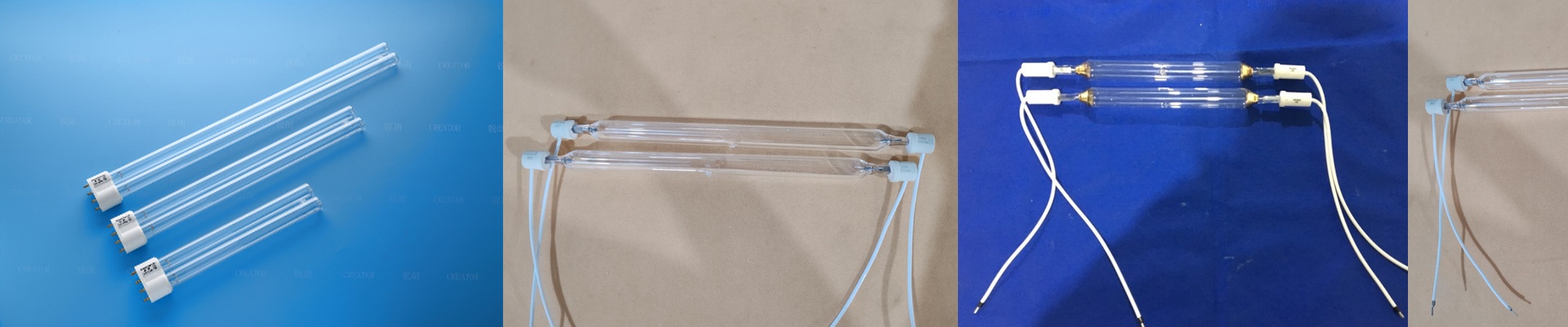
On a wood flooring coating line, the finish has to set fast enough to keep the line moving—yet cure all the way through so it won’t scratch and can hold a deep gloss. Undercured topcoats? You end up with a soft surface that mars easily and misses spec. We bring in high-power UV mercury vapor lamps to deliver the photon dose that drives complete cross-linking. Here’s what actually matters on the floor: energy density and spectral control. Our high-pressure mercury lamps hold steady output around 365 nm—the band that kicks off most cationic and radical photoinitiators in wood-coating formulations. Peak irradiance is engineered to exceed 12 W/cm² at the arc length, giving you the photon flux needed to punch through pigmented topcoats and thicker wear layers. The reflector uses a dichroic coating to shape the spectral envelope, knock down IR heat, and keep a tight focal profile that fits typical 100–200 mm web widths. Output stability is held within ±2% over lamp life, with less than 5% drop after 5,000 hours—because drift changes cure speed and finish hardness, period. And here’s why it works in practice: the lamp cures the coating in seconds, so you stay in-line without waiting for solvent flash-off. You can run higher line speeds, cut scrap from handling marks, and get a high-gloss, mar-resistant surface in one pass. Energy use is lower than thermal bake ovens, and the low-decay design stretches lamp replacement intervals. One practical heads-up: high-power UV lamps need precise reflector alignment and enough airflow to keep thermals in check. Check your substrate’s temperature tolerance—even with IR filtering, heat builds at the arc. Also confirm the lamp output matches your coating’s photoinitiator package. 365 nm is the standard, but some formulations need 385 nm or 405 nm depending on whether you’re chasing surface cure versus depth. If the ducting runs close to operators, specify ozone-free quartz.