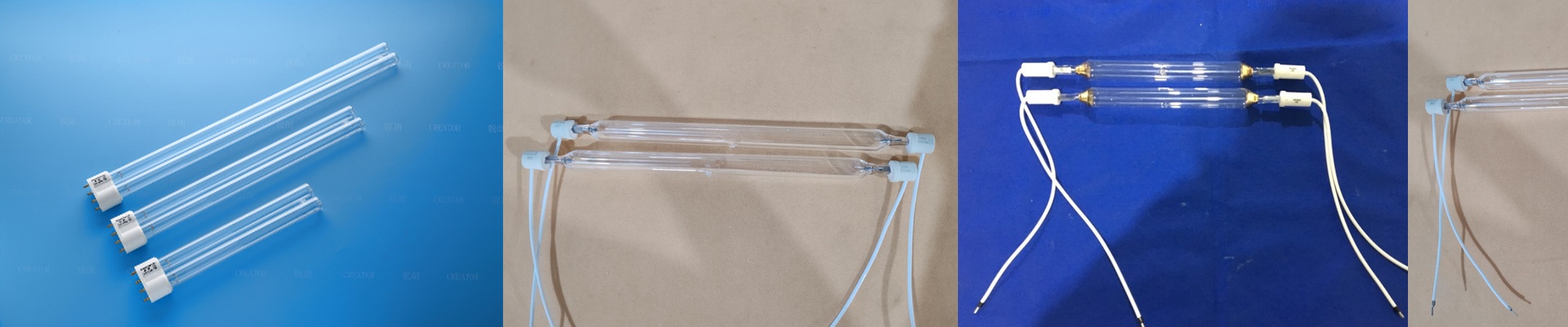
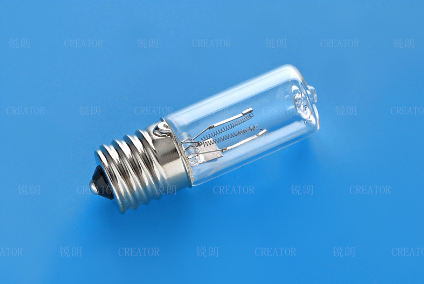
Getting Mercury UV Lamps Right on Your Textile Line
Think of mercury UV lamps as the invisible workhorse of your production line. When you’re moving from raw fabric to a finished piece of clothing, these bulbs do a lot more than just “dry” things. They actually trigger a chemical reaction that locks dyes and coatings deep into the fibers. It’s what keeps the color from washing out or peeling off.
The science (without the textbook)
We design these lamps to hit very specific spectral peaks. Basically, the mercury vapor creates a blast of UVC and UVB radiation. This is the “magic” that breaks the molecular bonds in your inks and resins, turning them from a liquid to a solid in a heartbeat. Here’s the catch: if your wattage-per-centimeter is off, the ink stays tacky. You’ll end up with smudges all over your fabric, and honestly, there’s nothing worse than having to scrap an entire batch because the cure wasn’t complete.
The heat struggle
To keep that plasma arc humming inside the quartz tube, you need high-voltage ballasts. We usually set these up for continuous work, but you’ve got to be careful with the heat. These lamps put out a ton of infrared heat along with the UV. If your cooling system can’t keep up, you’re asking for trouble. You might warp your fabric or, even worse, burn out the lamp ends way before they should die. It’s a balancing act.
Where they actually fit in
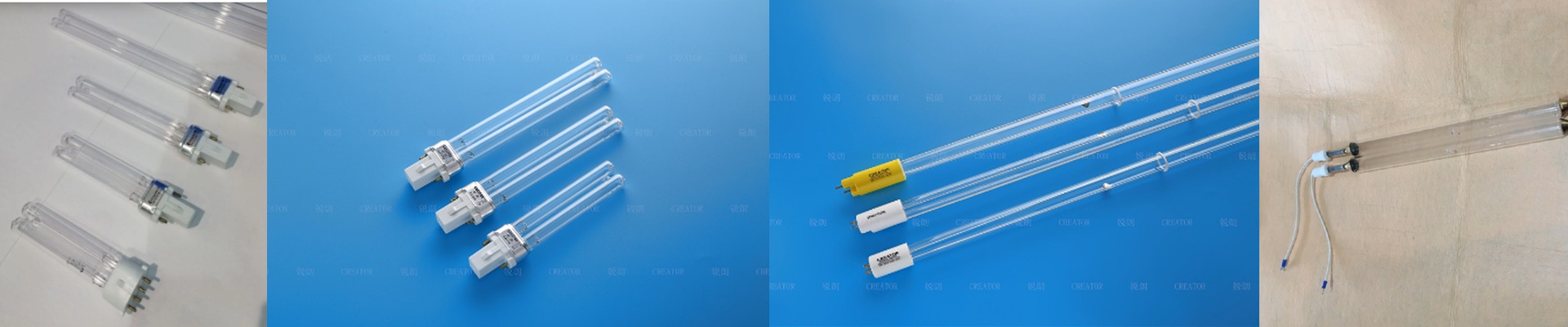
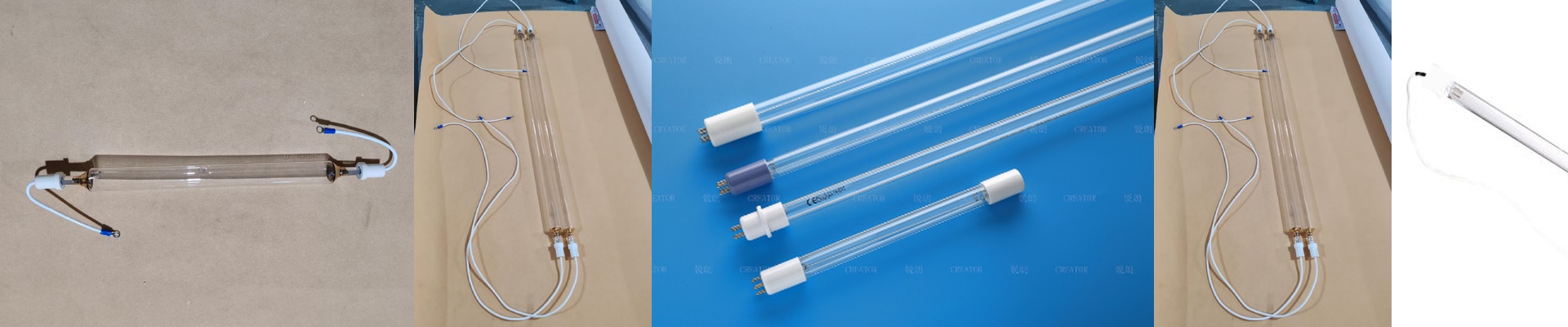
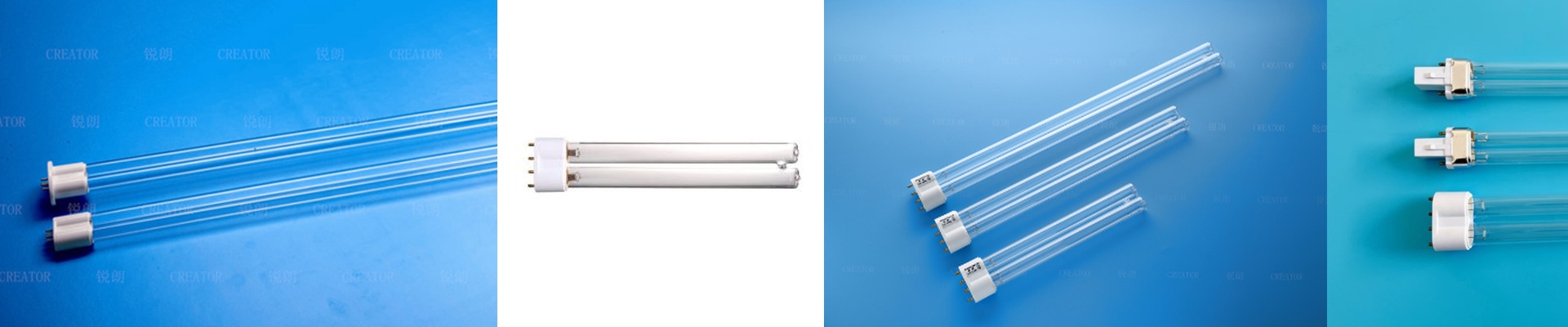
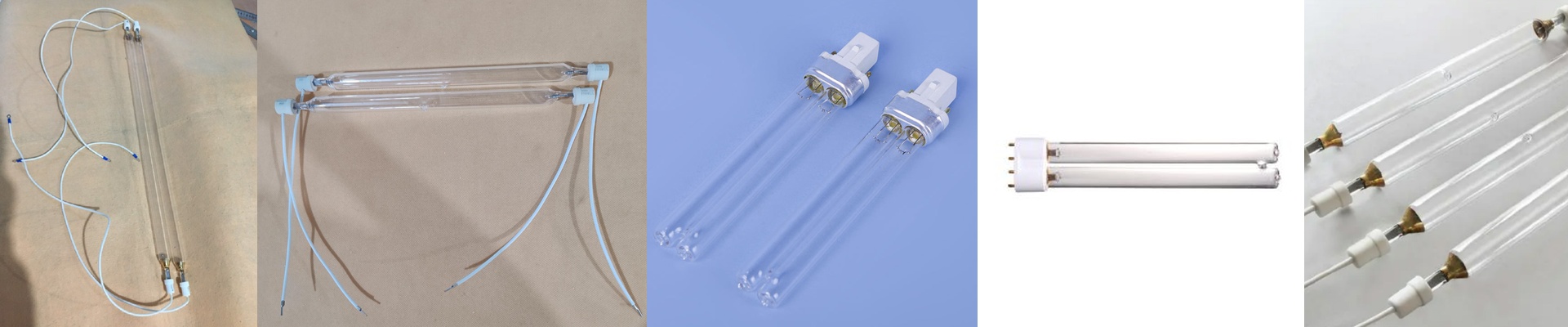
You’ll usually see these bulbs in three spots: *Digital Printing: This is where you need that instant cure so the pigments don’t bleed. *Coatings: Perfect for when you’re adding waterproof or flame-retardant layers. *Sterilization: Cleaning up organic gunk from raw synthetic yarns before you start. If you’re buying wholesale, double-check that the lamp length and pin layout are a perfect match for your racks. If the pins aren’t aligned, you’ll get arcing. And arcing is a great way to kill your ballast instantly. One last tip: keep your reflectors clean. A bit of dust on the mirror can kill your UV intensity by 20%. That means you’ll have to slow down your entire line just to get a proper cure, and nobody wants to kill their hourly output over a little dust.