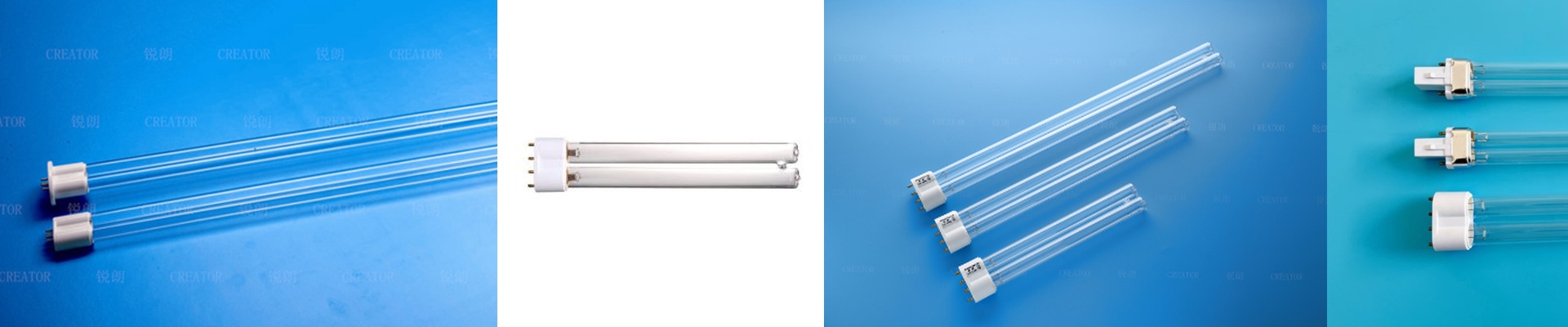
Getting the Wavelength Right
We don’t just put together bulbs. We’re really in the business of managing photons. In our lab, everything comes down to one specific spot on the UVC spectrum: 253.7nm. That’s the sweet spot. It’s exactly where DNA and RNA soak up the most energy, creating those “thymine dimers” that basically tell a microbe it’s time to stop replicating. If that wavelength drifts even a tiny bit? The kill rate tanks. It’s that simple.
Why the Glass Matters
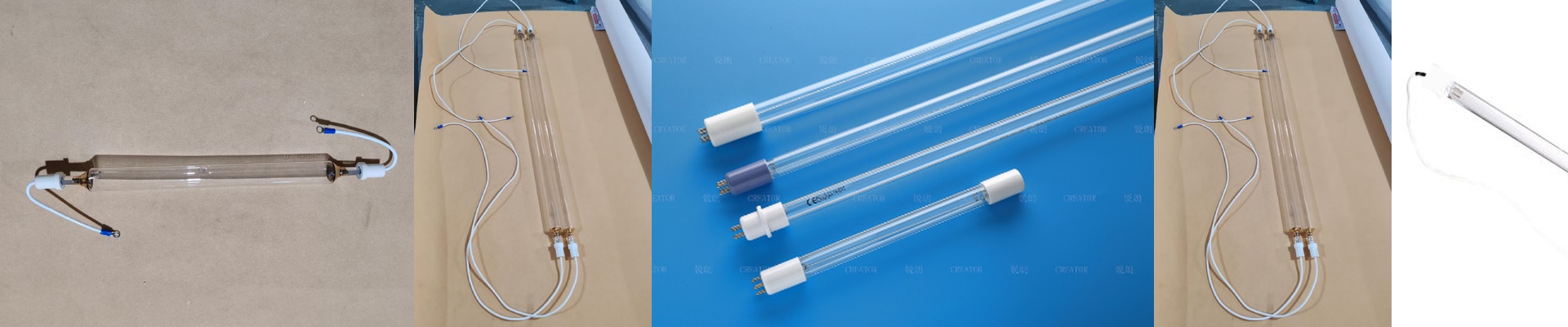
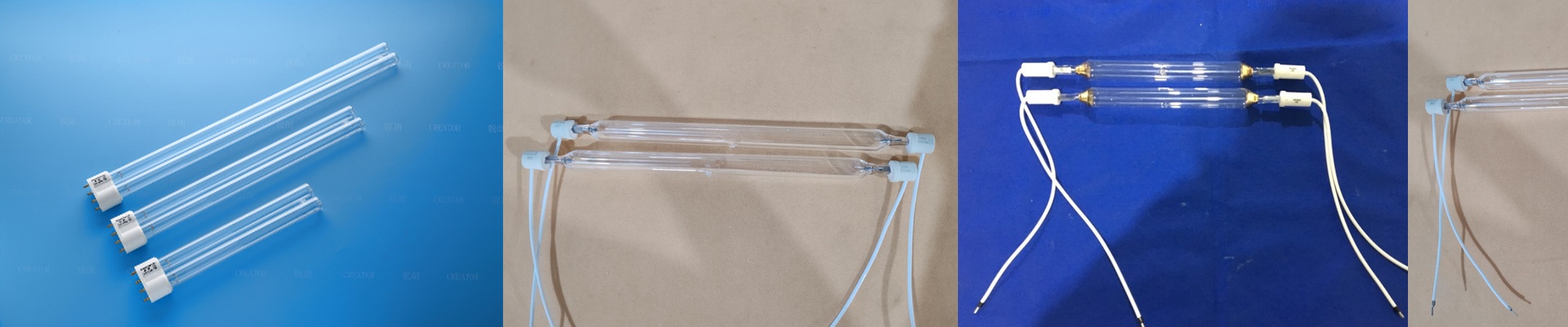
Here is where the cheap stuff usually falls apart. Most glass just blocks UVC entirely. We use high-purity fused quartz because it actually lets the shortwave radiation through while handling the heat of being turned on and off constantly. We build these for the heavy-duty stuff—industrial setups where lamps are humming 24/7. You’ll get a steady, reliable output. But a heads-up: quartz is fragile. Seriously. If you leave a single fingerprint on the glass during install, it creates a hot spot. That’s a fast track to a burnt-out bulb.Wear gloves.
Dealing with Decay
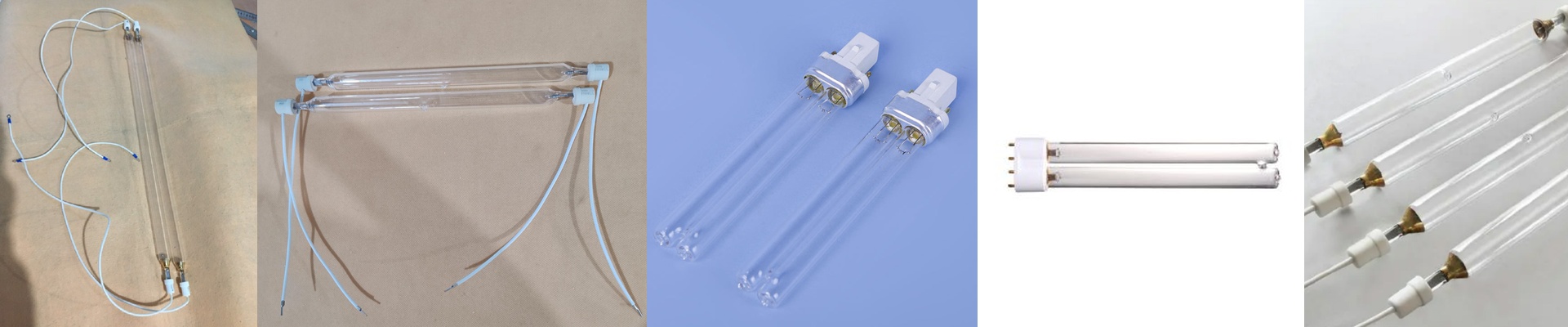
People who buy in bulk always ask about the “drop-off.” It’s a real thing. Every UV lamp loses a bit of its punch as the cathode wears down. To fight that, we calibrate our bulbs so the intensity ($\mu W/cm^2$) stays consistent from one end of the tube to the other. We also use a specific mix of mercury and argon gas to keep the arc stable. No flickering, just a steady stream of UV. One tip if you’re wiring these into a big array: make sure your ballast matches the starting voltage exactly. If the ballast is too big, it’ll overdrive the filament and kill the lamp way sooner than it should.
Fitting Them In
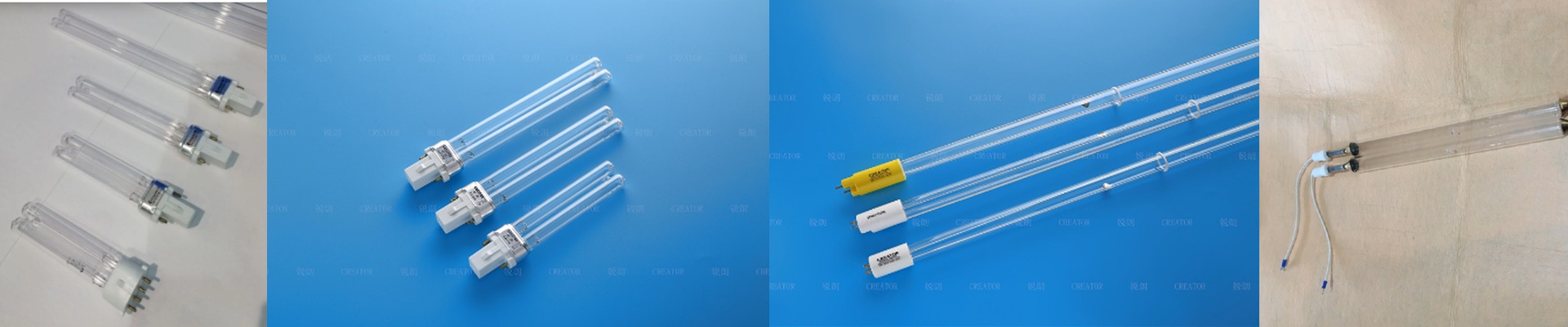
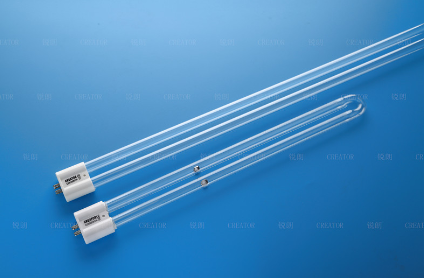
We designed these to be simple drop-in replacements. They fit right into your existing G5 or G13 bases. Since we produce these in such high volumes, we keep the pin alignment incredibly tight. You won’t be fighting with the sockets when you’re halfway through a 100-lamp change-out. It just clicks in. Just one thing—if you’re using the 185nm version, double-check your ventilation. You’ll need to make sure your system can handle the ozone.