



Getting UV Curing Right (Without the Headache)
Let’s be honest: most people think of UV lamps as just “bulbs” that dry ink. But if you’re running a serious operation, you know it’s way more than that. It’s about precision. We’re moving past the days of just flipping a switch and hoping for the best. Now, it’s all about getting the exact amount of light energy where it needs to be.
The Balancing Act of UV Specs
When we sit down to design a custom lamp, we aren’t just glancing at a wattage chart. It’s a bit of a tightrope walk between power and heat. You want that high-intensity hit so your resin triggers instantly. But there’s a catch. If you cram too much power into a small space, you’ll end up warping your materials. Nobody wants that. That’s why we spend so much time tweaking the lamp length and voltage. We match it to your conveyor speed so every single inch of your product gets the same treatment. No cold spots. No burnt edges. Just a consistent finish.
The Nitty-Gritty: Glass and Connections
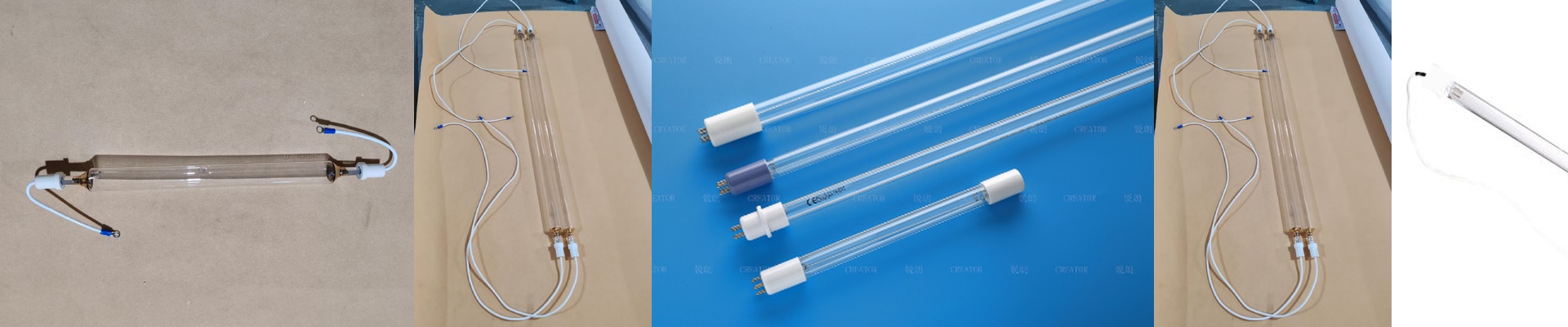
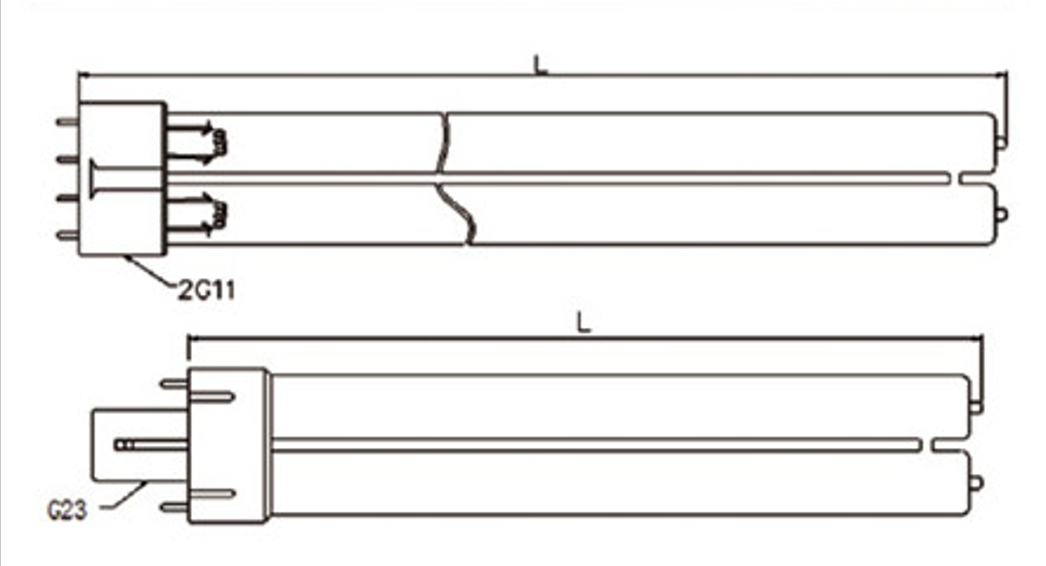
We use high-purity fused quartz. Why? Because standard glass is basically a wall that blocks the very wavelengths you’re paying for. Depending on what your shop floor looks like, we can add specific coatings. This helps shift the light spectrum or keeps the lamp from getting ruined by chemical splashes. Then there are the connections. This is where things usually go sideways. A loose fit leads to arcing, which creates heat, which kills your lamp way too early. We use standardized bases or custom leads to make sure the fit is snug. We build these to be simple drop-in replacements. You shouldn’t have to rewire your entire rack just to do some routine maintenance.
The Trade-offs
Here’s the thing about tuning your light to your specific chemistry: more power usually means more ozone. It’s just how the physics work. You’ll want to make sure your ventilation can actually handle the gas byproduct. We also focus heavily on how the lamp sits in your reflectors. The goal is to keep as many photons as possible hitting the part and stop wasting energy into the air. It’s simpler, cleaner, and just makes more sense for your bottom line.