
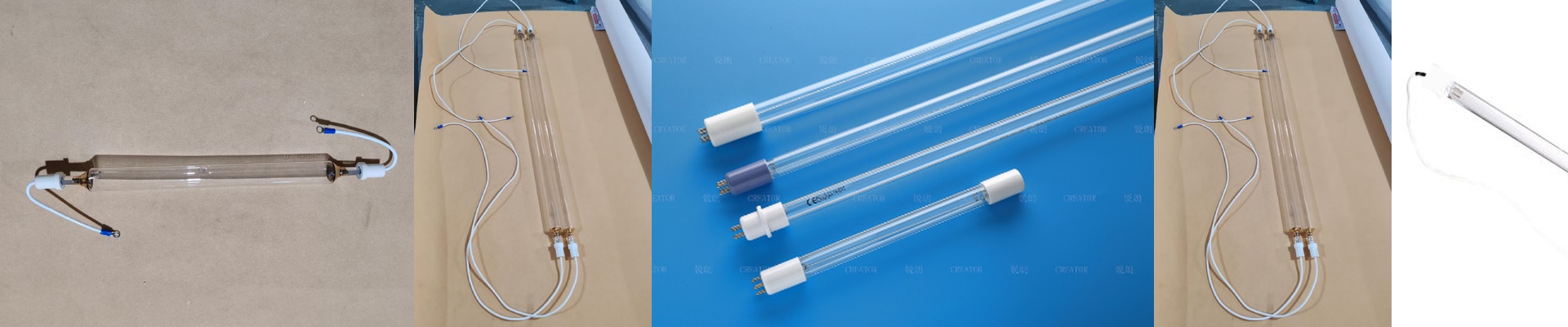


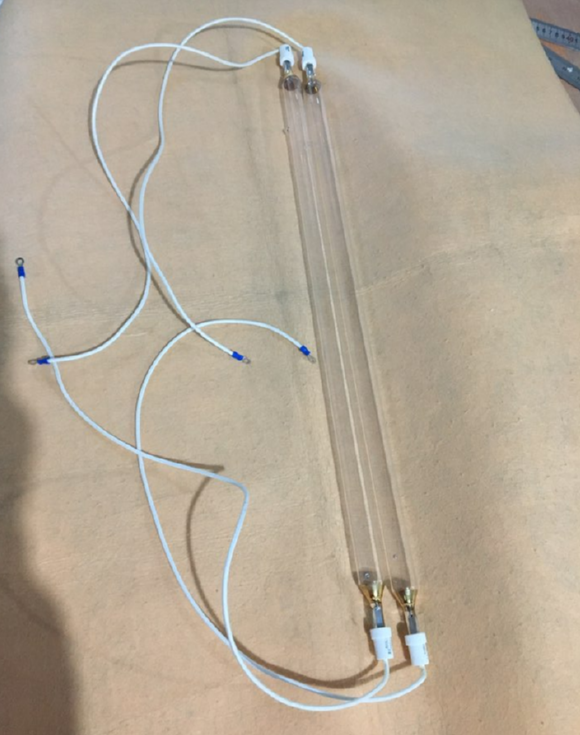
The Real Deal on High-Pressure Mercury UV Lamps: Engineering and the IP Headache
If you’re in industrial curing or sterilization, you know high-pressure mercury lamps are the heavy lifters. They use a mercury-vapor arc to pump out shortwave UV radiation. But here’s the thing: when you’re picking these for your production line, you aren’t just buying a glass tube. You’re buying a specific light spectrum and a thermal profile that has to be exactly right.
The Grit of High-Pressure Discharge
We build these things to survive a lot of stress. The quartz envelope has to take a beating from extreme internal pressure and heat without warping or just snapping. If the quartz isn’t pure enough, the UV transmission tanks. That means your curing times go up, and your throughput goes down. It’s frustrating. Then there’s the power. You need your wattage and voltage to play nice with your ballast. If they don’t match, you’re looking at unstable arcs or lamps that burn out way before they should.
The Export Trap (And Why IP Matters)
Buying generic UV lamps might seem like a cost-saver, but it’s a gamble—especially if you’re shipping them overseas. A lot of those “standard” designs actually rip off patents owned by the big global players. If your supplier doesn’t actually own the rights to the gas mix or the electrode shape, your shipment could get seized at customs. That’s a nightmare you don’t want. We use our own patented tech for a reason. It makes the lamps “safe for export.” The designs are legally cleared, so you don’t have to worry about some IP lawsuit shutting down your project right in the middle of installation.
The Heat Trade-off
High-output UV lamps gethot. Like, really hot. We push the intensity so you can run your lines faster, but you’ve got to make sure your cooling system can actually handle the load. If your airflow is weak, the lamp overheats. When that happens, the spectral peak shifts and your UV-C output drops. It’s a classic trade-off. More wattage gives you speed, but it puts a lot more pressure on your heat exchangers. Just make sure you’ve got the breathing room to handle it.