

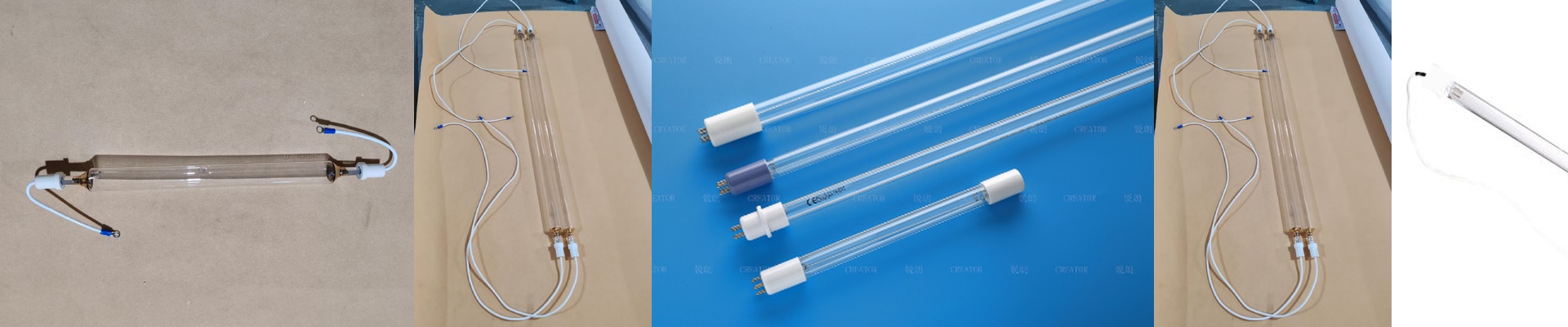



Getting Your UV Lamp Specs Right for OEM
If you’re building your own brand of UV germicidal lamps, you already know the basics: you need that 253.7nm wavelength to actually break down the DNA of germs. But here’s the thing. There’s a big difference between a lamp that looks like it’s working and one that actually kills pathogens without burning itself out. It all comes down to how you balance the wattage, the length of the tube, and the ballast. Get it wrong, and you’re just paying for a fancy light bulb that wastes power. The tug-of-war between power and heat We focus on getting as much UVC output as possible without turning the lamp into a heater. Sure, cranking up the wattage gives you more “punch,” but it also puts a lot of stress on the quartz. If you try to shove too much current through a tube that’s too short? It’ll burn out way faster than it should. We spend a lot of time tweaking the voltage and amperage so the mercury vapor stays ionized, but the electrodes stay cool. Just make sure your ballast matches our specs exactly. If they don’t talk to each other perfectly, you’ll get flickering or a drastically shorter lifespan. It’s all about the glass You can’t just use any old glass here. Standard glass basically acts as a wall for UVC waves. That’s why we use high-transmittance synthetic quartz. It lets those 253.7nm waves slide right through. Since we’re doing this for your brand, we can tweak the coatings or the end-cap seals to fit your specific housing. We use reinforced seals because air leaks are the enemy—they oxidize the electrodes and kill the lamp from the inside out. Making it fit your design The best part about our OEM setup is that you call the shots on the footprint. You need a weird pin configuration? A specific length? We’ll wire it exactly how you want it. But there are always a few trade-offs. For example, if you want a lamp that’s super energy-efficient, it’ll probably take a bit longer to warm up. If your customers need “instant-on” sterilization, we can adjust the gas mixture, though that might shave a little time off the overall life of the bulb. Also, keep an eye on your chassis. These things put out heat, and if your plastic housing isn’t designed to handle that thermal load, it might warp.