



Building Your Own UV Brand: The Nitty-Gritty of OEM Systems
Let’s be honest: a fancy logo doesn’t make a UV brand. What actually matters is the gear under the hood. You need hardware that hits the exact wavelength and power your specific job calls for. That’s where we come in. We give you the framework, but you keep the steering wheel.
Wavelengths and Power: Finding the Sweet Spot
Depending on what you’re doing, you’re usually heading down one of two paths. If you’re into sterilization, you’re looking at UV-C (usually around 254nm). This is the stuff that actually breaks apart microbial DNA. But if you’re curing resins or inks, you’ll want UV-A or UV-B to get those chemicals to harden. Then there’s the power. We play around with wattage and tube length to get your irradiance just right. Here’s the trick: more wattage means more photons, which means faster curing. Sounds great, right? But you have to watch your conveyor speed. If you crank the power but keep the line moving too slowly, you’re going to scorch your materials. It’s a balancing act.
The Hardware Side of Things
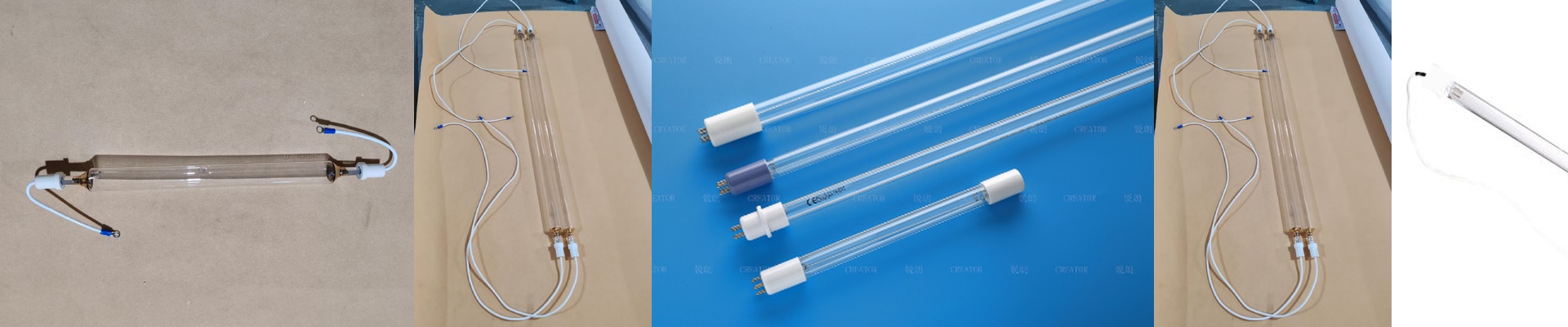
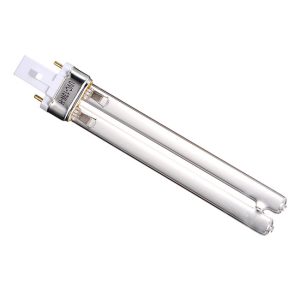
We use high-purity quartz glass for our lamps. Why? Because standard glass is basically a wall that blocks UV light. Quartz lets it fly right through. We also offer a bunch of different connectors, so these lamps should just slide right into your existing machines without a headache. As for the size, you call the shots. Whether you’re building a tiny handheld gadget or a massive industrial line for PET bottles, we’ll tweak the housing and cooling to fit your space.
Dealing with the Heat
High-output lamps get hot. Really hot. The UV light does the heavy lifting, but it leaves behind a lot of infrared heat. If you aren’t careful, that heat will warp your plastic parts or mess up sensitive chemicals. You can’t just ignore it. If you’re going for a high-power setup, you’ve got to plan for active cooling. Think forced air or water-cooled jackets. If you skip this, your lamp life will tank and your output will start to drift. It’s just not worth the risk.