


Getting UV Curing and Sterilization Right
Look, UV technology is a lot more than just swapping out a lightbulb. If you’re in printing or curing, you know there’s a massive difference between a process that “kind of works” and one that’s actually dialed in. It all comes down to the wavelength and how much light is actually hitting the surface. We don’t see UV systems as just accessories—they’re more like a chemical reaction that we happen to trigger with light.
The nitty-gritty of how it works
When you’re curing, you’re basically starting a chain reaction. The UV light hits the photoinitiators in your ink or coating, and suddenly, those liquid monomers snap together into a solid film. Now, if you’re sterilizing, the goal is different. We use UV-C (usually around 254nm) to basically scramble the DNA of germs so they can’t function. But here’s the tricky part: it’s a balancing act between wattage and distance. If you crank up the power just to speed up your production line, you might run into trouble. You could overheat your material or end up with “skinning”—where the top looks dry and perfect, but the bottom is still a gooey mess.
Picking your gear (and the trade-offs)
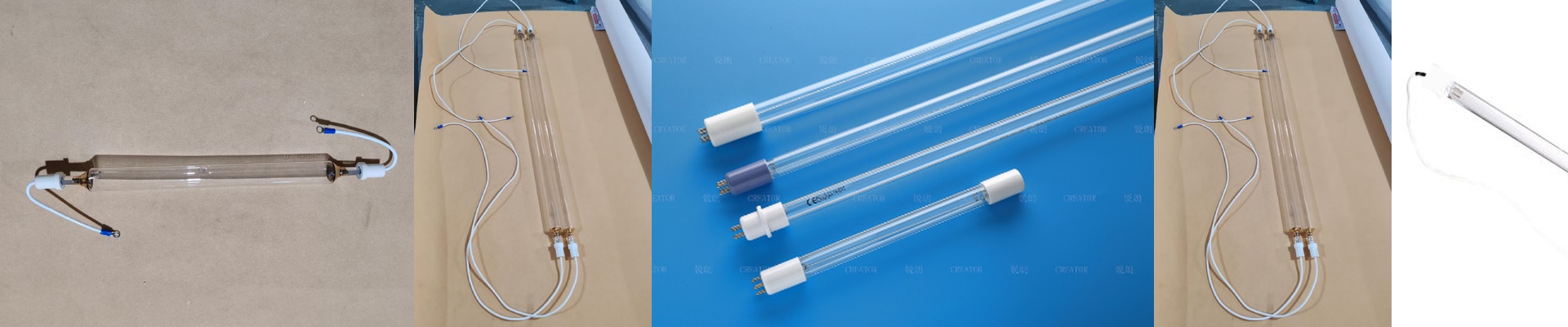
We aren’t here to just sell you a box of parts. We want to help you figure out the whole setup. Take the choice between mercury-vapor lamps and UV-LEDs. It’s not a simple “this one is better” situation. Mercury lamps give you a broad spectrum, which is great for curing deep into thick coatings. LEDs, on the other hand, are narrow, they turn on and off instantly, and they’ll save you a ton on your power bill. The catch? LEDs have a smaller footprint and might not play nice with some of the older inks you’ve been using for years. You have to make sure the lamp’s peak emission actually matches what the ink is designed to absorb. If they don’t align, you’re just wasting electricity.
Cleaning up the process
A messy UV station is a recipe for disaster. You’ll either get patchy curing or you’ll burn out your lamps way too fast. We spend a lot of time looking at conveyor speeds and lamp height. The goal is a consistent dose of energy across the entire web. If you’re seeing spots or uneven patches, we usually start by checking the reflector geometry or seeing if the quartz sleeve has gotten cloudy over time. Get these details wrong, and you’re looking at materials that yellow or coatings that just peel right off. It’s a headache you don’t want.