Role
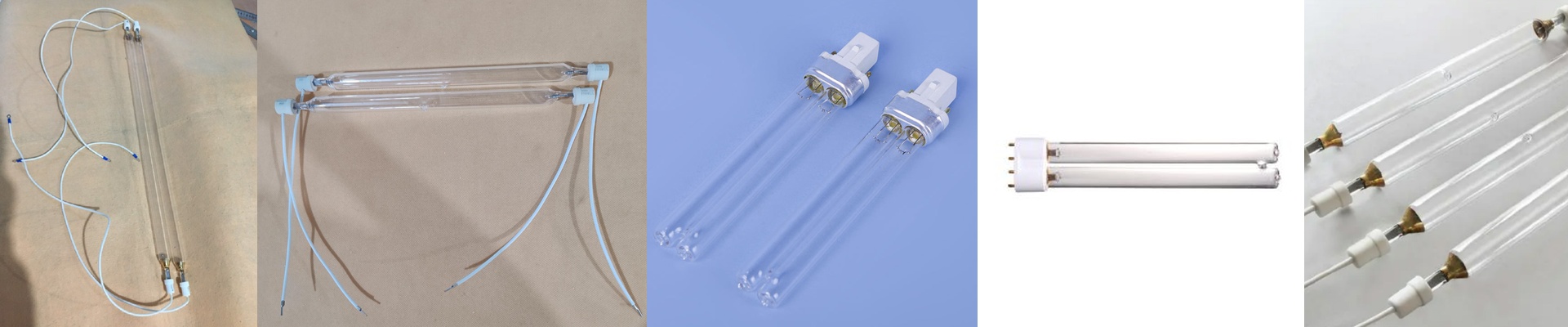
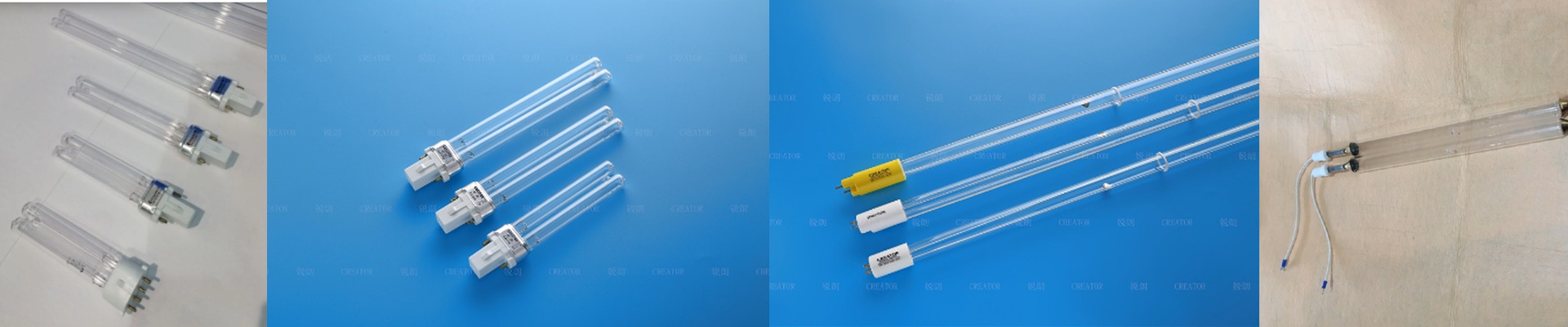
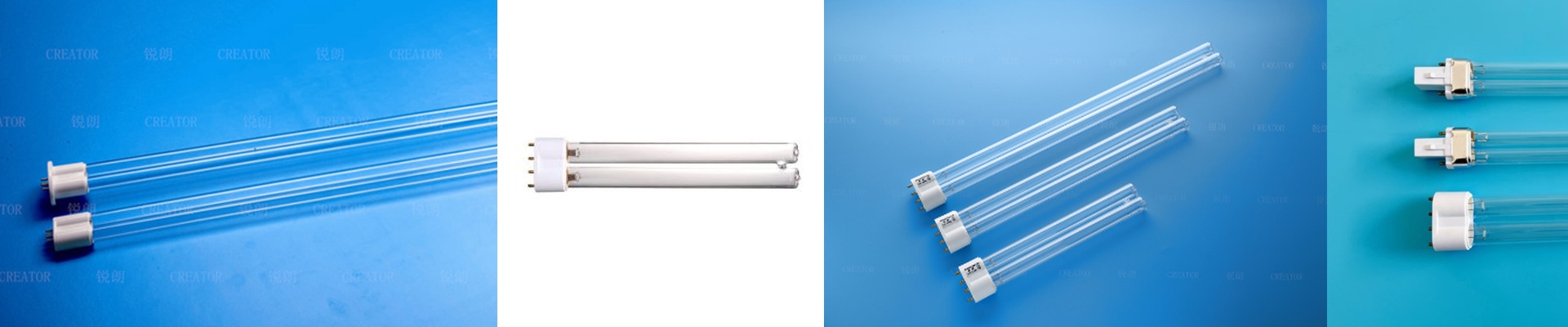
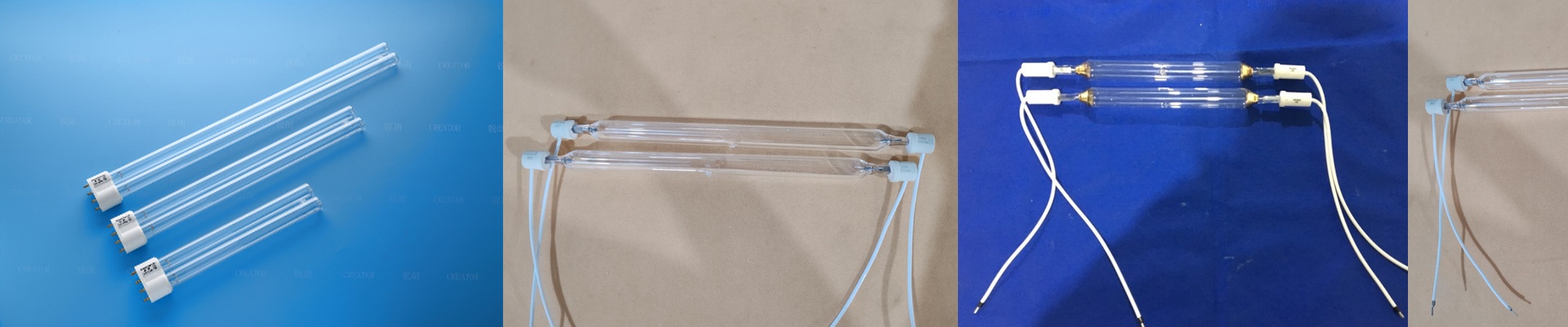
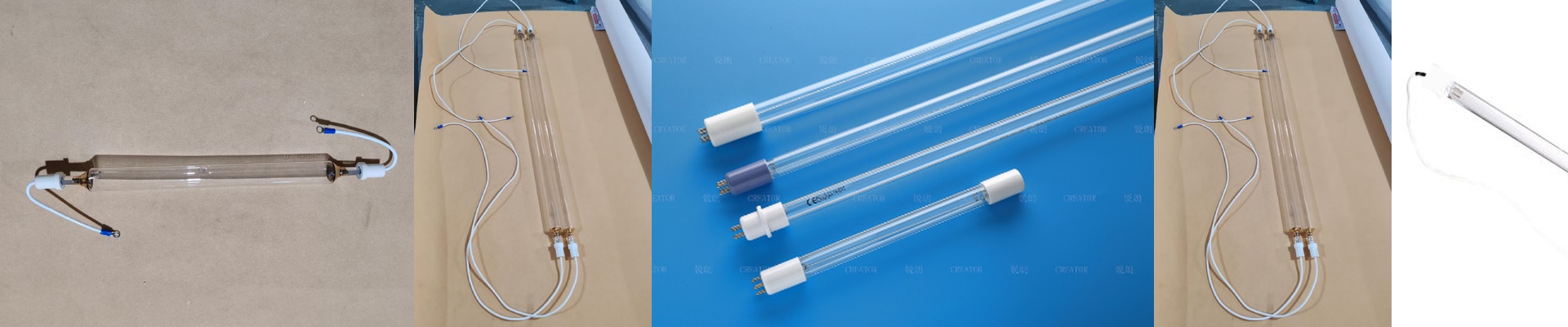
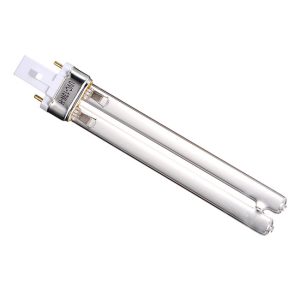
On a high-speed web offset line, the UV system isn’t a nice-to-have. It’s the gatekeeper for throughput and print quality. At 200 m/min, you’re talking milliseconds under the lamp. If the spectral output drifts or peak irradiance dips, the ink skins on top while the bulk stays undercured. Then you get blocking, set-off, and a pile of scrap. What matters is delivering energy that lines up with the chemistry. Our Gallium UV lamp for offset plate curing uses a mercury-vapor source with a tailored spectral output, centered to drive the photoinitiators in offset formulations. Expect a stable peak in the 365–395 nm window, 600–900 mW/cm² peak irradiance measured at the web plane, and curing energy density in the 300–600 mJ/cm² range depending on coating weight. The reflector uses a dichroic coating to shape the envelope and cut wasted IR, so more of what you put in electrically comes out as usable UV. Output stays within ±3% across the arc length after 1,000 hours, and we routinely see 5,000+ hours before end-of-life, with output drop below 10%. Here’s why it works on the floor: it’s physics, plus disciplined process control. Gallium-doped lamps give you predictable, repeatable output, so the photoinitiator activation rate stays consistent from the first sheet to the last roll. That keeps cross-linking uniform, even when the press is pulling 200 m/min. The payoff is fewer web breaks, less energy per printed meter, and fewer lamp swaps. Now, a couple of things that will make or break you. Lamp output is sensitive to quartz temperature. Keep the reflector/lamp thermal profile stable—target lamp wall temperature around 800–900°C for consistent arc position and spectral stability. And check alignment. Even a small mis-focus shifts the irradiance distribution and can leave the web edges thin on cure. Finally, make sure your ink’s photoinitiator absorption matches the lamp’s dominant wavelengths. A mismatch will push you to run higher power, and that shortens lamp life fast.
Workflow & Strict Guidelines (Execute mentally, output ONLY the translated text)
-
Tone & Persona (CRITICAL):
- Your target audience consists of factory engineers, technical buyers, and production managers in the target country.
- The tone must remain strictly objective, rigorous, factual, and direct.
- ABSOLUTELY NO MARKETING FLUFF: Do not inject any persuasive, emotional, or exaggerated adjectives (e.g., perfect, ultimate, revolutionary, best) into the translation. Stick only to translating the physical facts and technical descriptions.
-
Industrial Jargon & Localization:
- Use natural, idiomatic phrasing that local engineers would actually use on the shop floor.
- Ensure a fluid translation that conveys the exact meaning. Do NOT use rigid, word-for-word machine translation.
-
Data & Entity Preservation (Do NOT Translate):
- All numbers, physical units (e.g., W, V, mm, ℃, Hours), and specific model codes/SKUs (e.g., R7s, SK15, IR, PET) must be kept exactly as they are in the source text.
- Do NOT convert measurement units (e.g., do not change mm to inches).
- Keep brand names or designated English proper nouns in English.
-
Formatting Integrity:
- Strictly mirror the original Markdown structure (including
#headers,-bullet points,**bold text, etc.). - Ensure you apply the correct punctuation and spacing rules specific to Portuguese (e.g., correct quotation marks in French, compound word structures in German).
- Strictly mirror the original Markdown structure (including
Output format
Output the final translated text in Portuguese directly. Do NOT include any introductory, explanatory, or conversational text. Do NOT wrap the output in Markdown code blocks (like ```).