


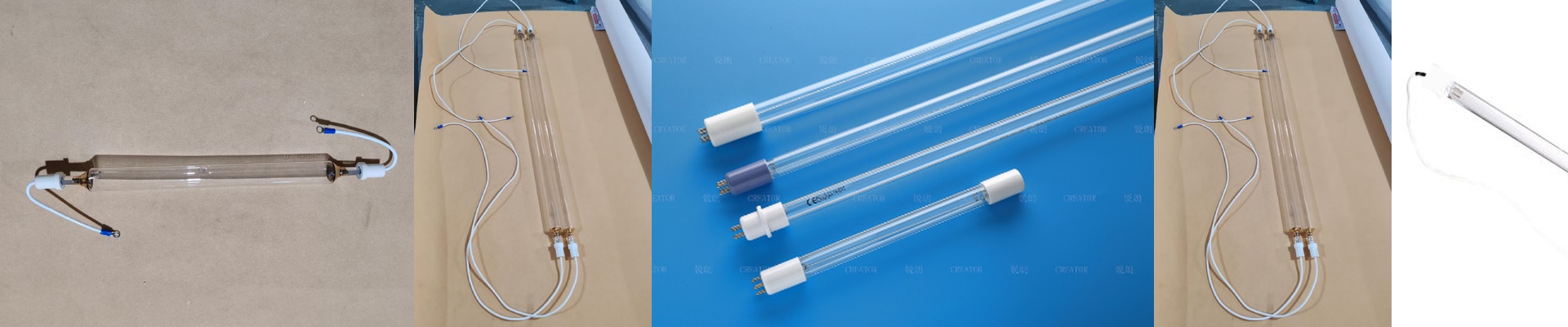

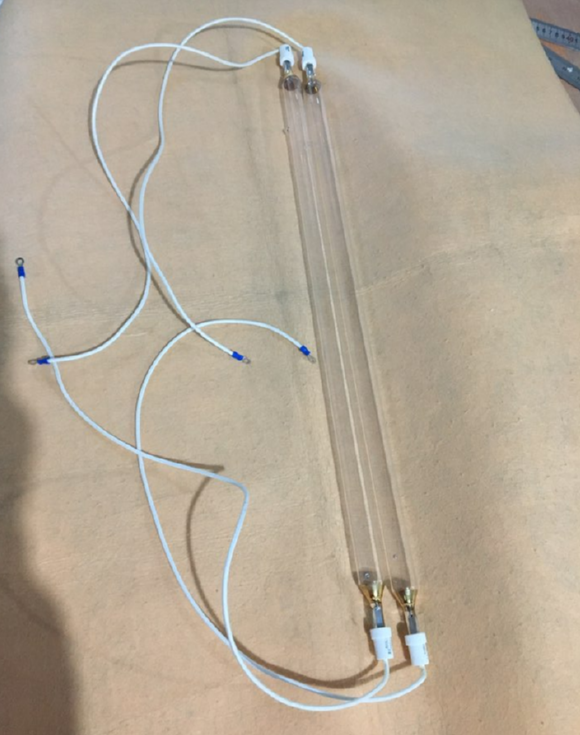
Why that CE Mark Actually Matters for Your GaI Lamps
Let’s talk about Gallium Iodide (GaI) lamps. If you’re in high-precision curing or photolithography, you know these things are picky. They operate in a very specific UV-C and UV-B window, and when that window shifts, everything goes sideways. When we make these lamps at our plant in China, we see the CE mark as more than just a sticker to keep the regulators happy. It’s really about making sure the lamp doesn’t freak out when you plug it in.
The scary stuff: Electricity and Insulation
GaI lamps need steady voltage to keep their light output consistent. But here’s the catch: if the insulation around the electrode seals isn’t spot on, you’re looking at a potential dielectric breakdown. That sounds technical, but in plain English? It means the lamp could arc. We spend a lot of time testing for leakage current because we don’t want you to just lose a bulb. We don’t want you blowing your ballast or frying your entire curing array. That’s a bad day at the office that nobody needs.
Keeping your colors and timing locked in
High-end markets don’t do “close enough.” They need exact. Sticking to CE standards forces us to be obsessive about the quartz purity and the pressure of the gallium iodide fill. Why? Because if that spectrum drifts even a little bit, your curing times start to wander. Suddenly, your scrap rate climbs, and you’re scratching your head wondering why the batch isn’t setting right.Consistency is the only thing that keeps a production line moving.
The “Cheap” Trap
Look, getting CE certified isn’t free. It adds cost. There’s a mountain of paperwork and a lot of rigorous batch testing involved. Because of that, some factories just skip it to undercut the price. You’ll see lamps that look identical but cost way less. But using non-certified lamps in a professional setup is a gamble. Sure, you save a few bucks upfront. But you’re risking a site-wide electrical failure or a nightmare of a safety audit. It’s just not worth the stress. We design these to be simple, drop-in replacements. Since we follow the CE rules, the electrical load and the footprint just work with your existing gear. You don’t have to rewire your whole shop just to get a new lamp running.